1.60% total rare earth oxides (TREO)
Hybrid open-pit / underground caseHigher confidence in the estimated quantity and grade.
 GreenlandMines
Neodymium is used in the permanent magnets found in many electric-vehicle motors and wind-turbine generators.
Material applications; no current project production is implied.
An electric vehicle accelerating. A wind turbine generating power. Both can rely on magnets made with neodymium and praseodymium. Sarfartoq brings that material story back to Greenland: a defined rare-earth resource, with Neo retaining rights to future offtake.
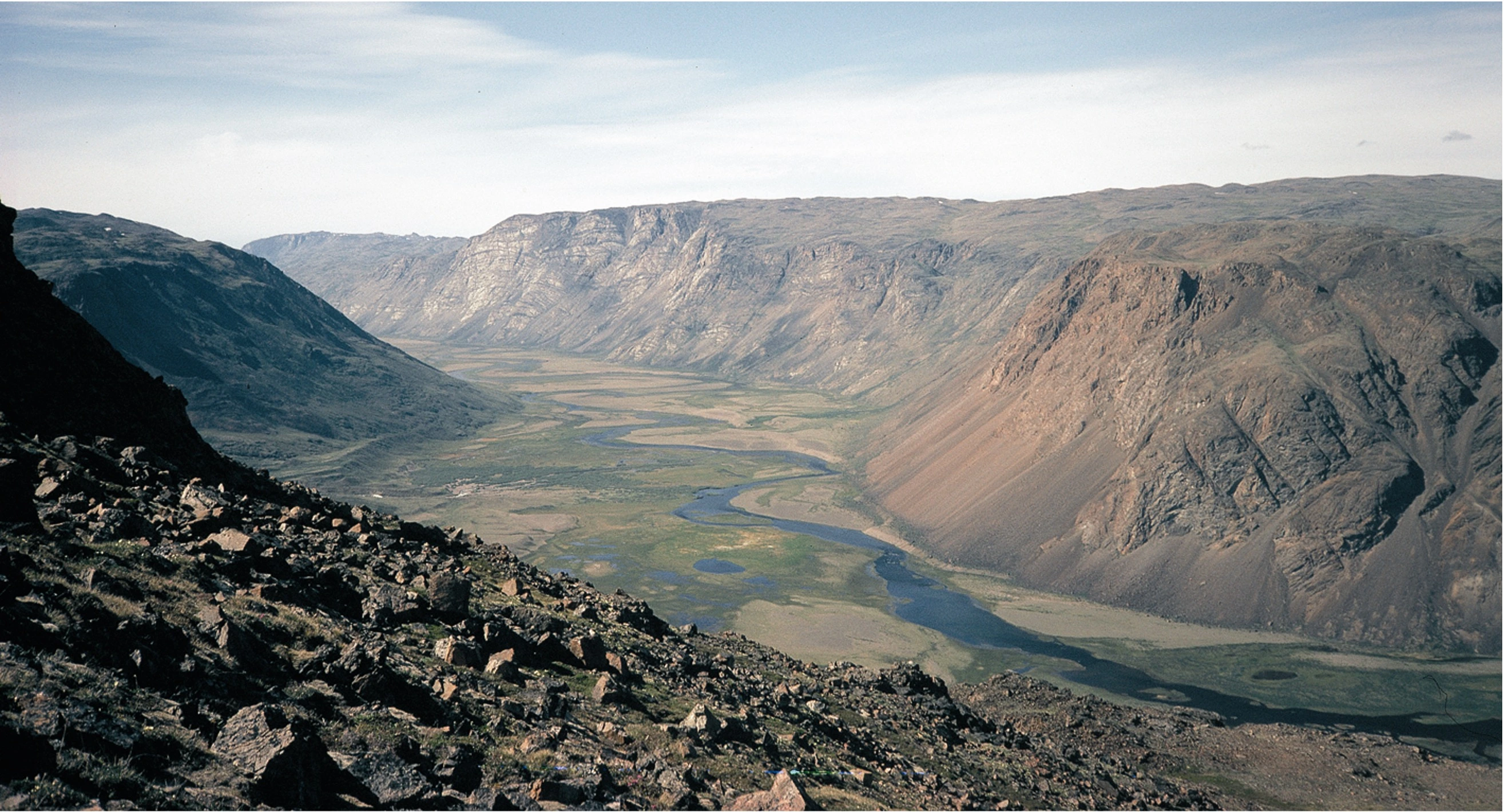
Sarfartoq is hosted in a carbonatite complex in Qeqqata municipality. The ST1 zone is the focus of the current resource estimate. Neodymium and praseodymium are part of the rare-earth mineral assemblage.
The project is approximately 60 km southwest of Kangerlussuaq Airport. Access and logistics form part of the development studies; proximity to infrastructure is not a completed mine-to-market route.
The acquisition closed on September 1, 2026. Neo retains rights to offtake up to 60% of future ore or concentrate production. These rights do not constitute current production or guaranteed sales.
Ownership referenceNeo Performance Materials is a Greenland Mines shareholder and operates Silmet, a rare-earth separation facility in Estonia. That relationship gives Sarfartoq a potential connection to European processing capacity.
A neodymium-praseodymium rare-earth project. Future ore or mineral concentrate is the material covered by Neo’s retained offtake rights.
Geographic relationship · schematic connection
Neo retains these rights alongside its shareholding in Greenland Mines. Together, they establish a commercial relationship with a company that already operates European rare-earth separation capacity.
The rights relate to potential future production. Definitive offtake terms remain subject to negotiation.
The development plan adapts Neo’s Sillamäe separation facility for new raw-material sources. Its selection as an EU Strategic Project on October 9, 2026 recognizes the processing project; the designation does not apply to Sarfartoq.
S-K 1300 · Hybrid open-pit / underground case. Review the original report for assumptions, methodology, cut-offs, and the qualified person’s conclusions.
1.60% total rare earth oxides (TREO)
Hybrid open-pit / underground caseHigher confidence in the estimated quantity and grade.
0.96% total rare earth oxides (TREO)
Hybrid open-pit / underground caseLower confidence in the estimated quantity and grade.
Mt means million metric tons of mineralized rock. TREO is the total rare-earth oxide content of that rock, expressed as a percentage.
Mineral resources are not mineral reserves and do not have demonstrated economic viability. Inferred resources have a lower level of geological confidence than Indicated resources. Figures are reported separately and may be rounded.
Read the S-K 1300 technical reportThe ST1 Initial Assessment models a nine-year operation. Its base case and high-case sensitivity show the opportunity—and the importance of prices, costs, and resource confidence.
| Additional measures | Base | High |
|---|---|---|
| After-tax NPV₈ · US$m | 897 | 1,502 |
| Pre-tax IRR | 68.7% | 118.6% |
| Additional measures | Base | High |
|---|---|---|
| After-tax NPV₈ · US$m | 605 | 1,074 |
| Pre-tax IRR | 66.0% | 117.5% |
Scenario assumptions. High case: prices +15%, operating costs −15%, and capital costs −20% against the base case. The low case returns pre-tax NPV₈ of US$401 million including Inferred resources and US$209 million excluding them. NPV is discounted project cash flow, not company value.
Preliminary assessment, not a feasibility study. No mineral reserves have been estimated. Resources do not have demonstrated economic viability. Inferred resources have greater geological uncertainty; there is no certainty they will convert to higher-confidence categories or that assessment results will be realized. Source: Agricola, Initial Assessment, Table 1-5 and Section 19. Figures rounded.
Read the full Initial AssessmentMapping, rock sampling, and a second season of environmental baseline fieldwork completed in September 2026. Assay results were pending in the September 24, 2026 update.
Read the program updateIntegrate field results, refine the resource model, and advance metallurgical and engineering work. The company’s objective is to progress toward a Pre-Feasibility Study.
Environmental baseline fieldwork is one input to assessment and permitting. It is not an approved environmental impact assessment or an exploitation license.