Project

Sarfartoq Site

01

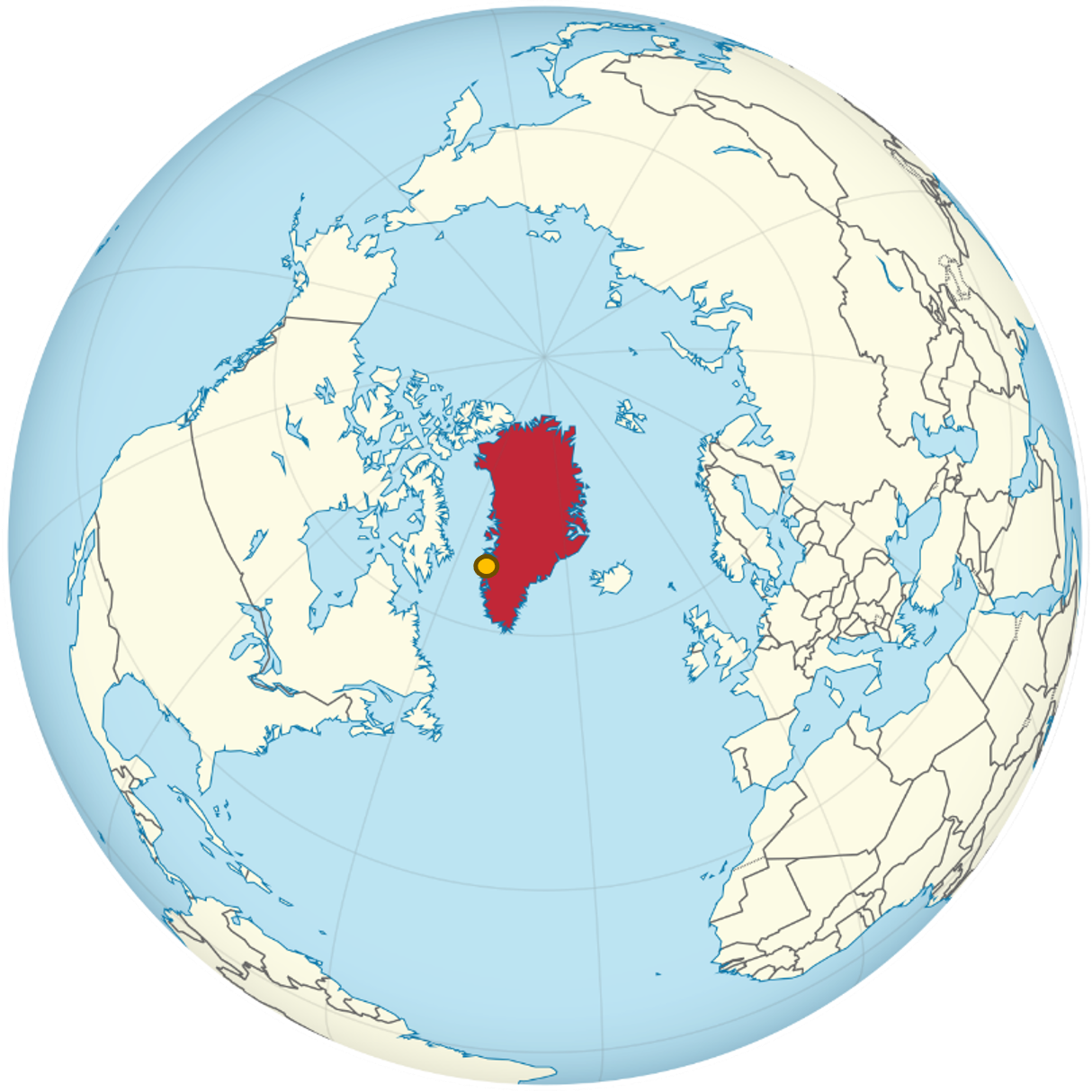
687 km² exploration licence area in western Greenland, segmented into 40 sub-sites (ST1–ST40)

02

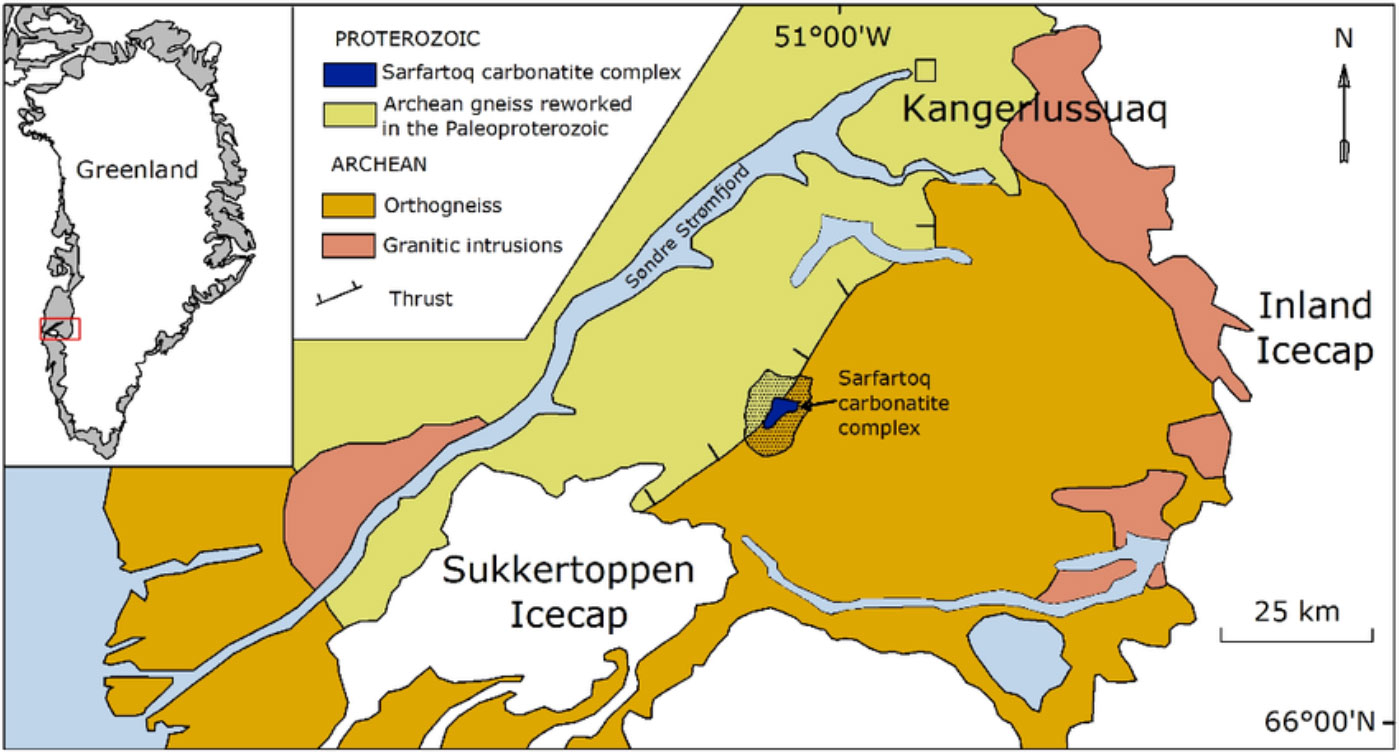
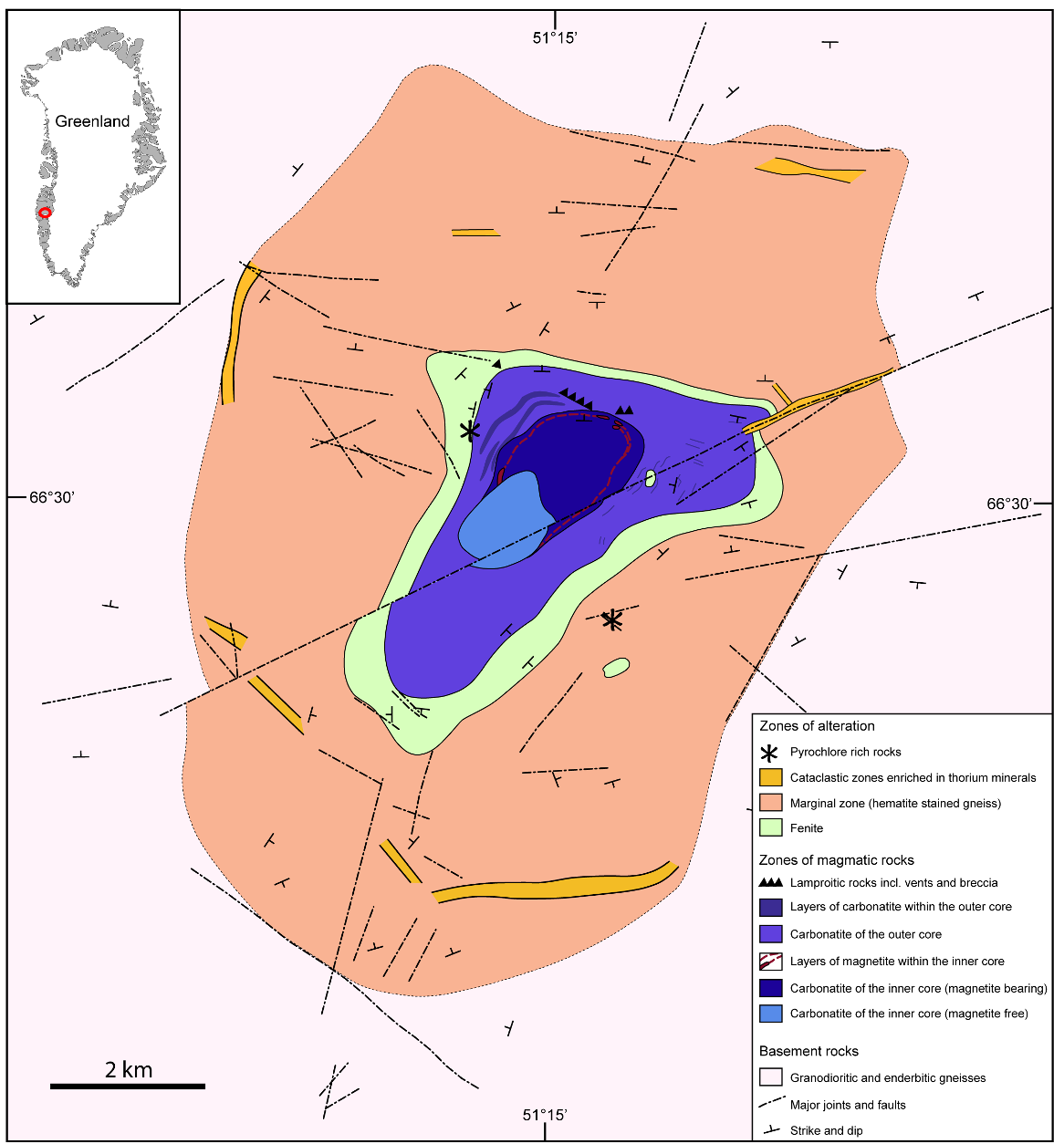
Hosted in a large Proterozoic carbonatite complex covering ~90 km² — a globally favoured host for rare earth deposits

03

ST1 legacy NI 43-101 PEA resource estimate of 5.9 Mt Indicated at 1.8 wt% TREO1 including approximately 27 Nd₂O₃ and 8M kg Pr₆O₁₁.

04

Elevated concentrations of all four magnet REEs — Nd, Pr, Dy and Tb — with Nd+Pr at 25%–40% of TREO

05

Drilling database of 161 holes / 35,843 m (94 core holes / 23,000+ m) included in the ST1 resource estimation

  1. Legacy NI 43-101 compliant PEA-stage Mineral Resource Estimate for the ST1 Zone. Mineral resources that are not mineral reserves do not have demonstrated economic viability. The Company intends to update the resource estimate under current NI 43-101 standards.
  2. Definitive agreement signed on May 20, 2026, to acquire Neo North Star Resources, Inc., owner of the Sarfartoq Rare Earths Project in southwest Greenland. Closing of the acquisition is subject to customary closing conditions, including approval from the Government of Greenland under Section 69 of the Greenland Mineral Activities Act for the indirect transfer of the mineral rights licenses, as well as certain other regulatory and third-party consents. 

Location & Infrastructure

Jurisdiction
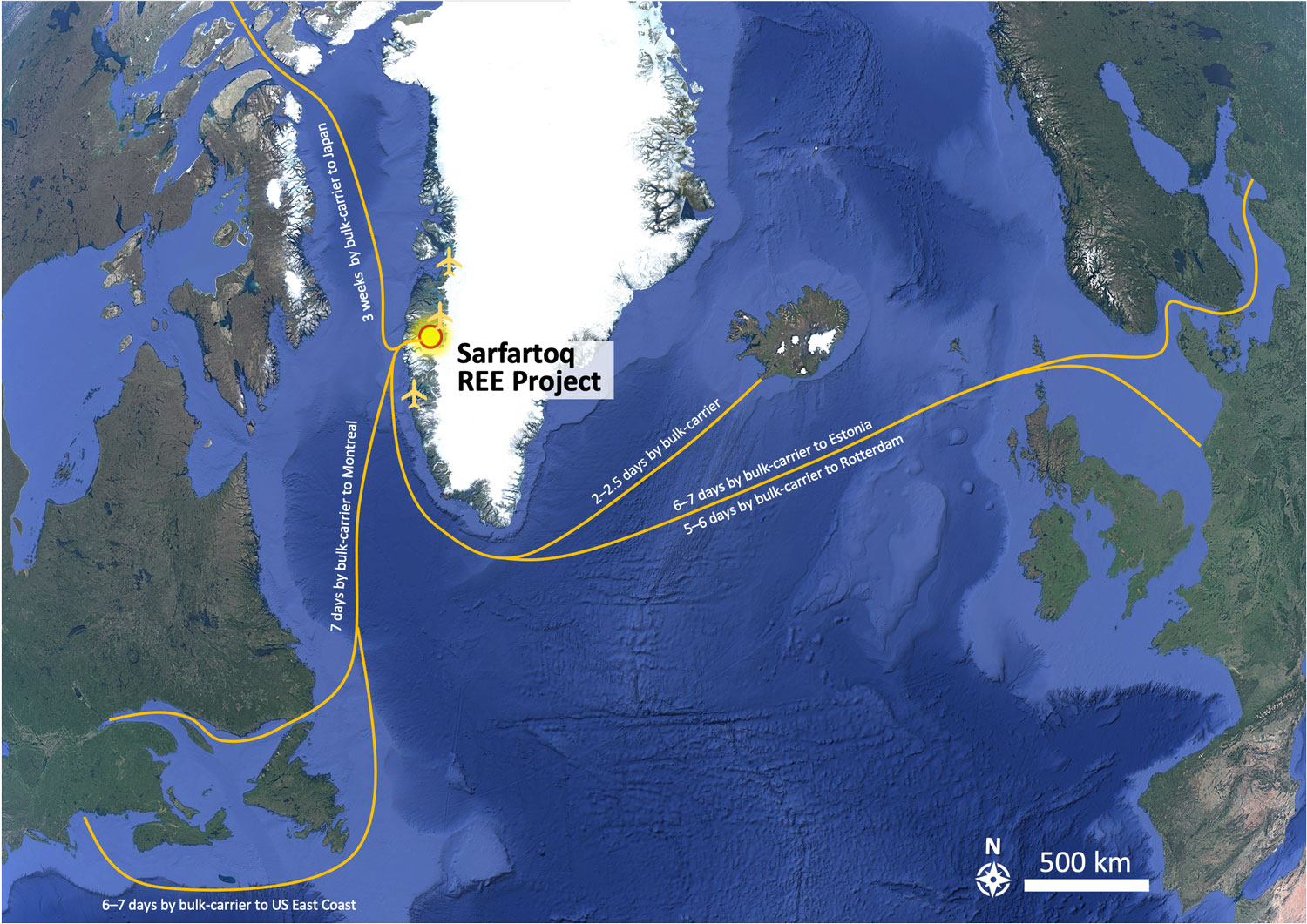
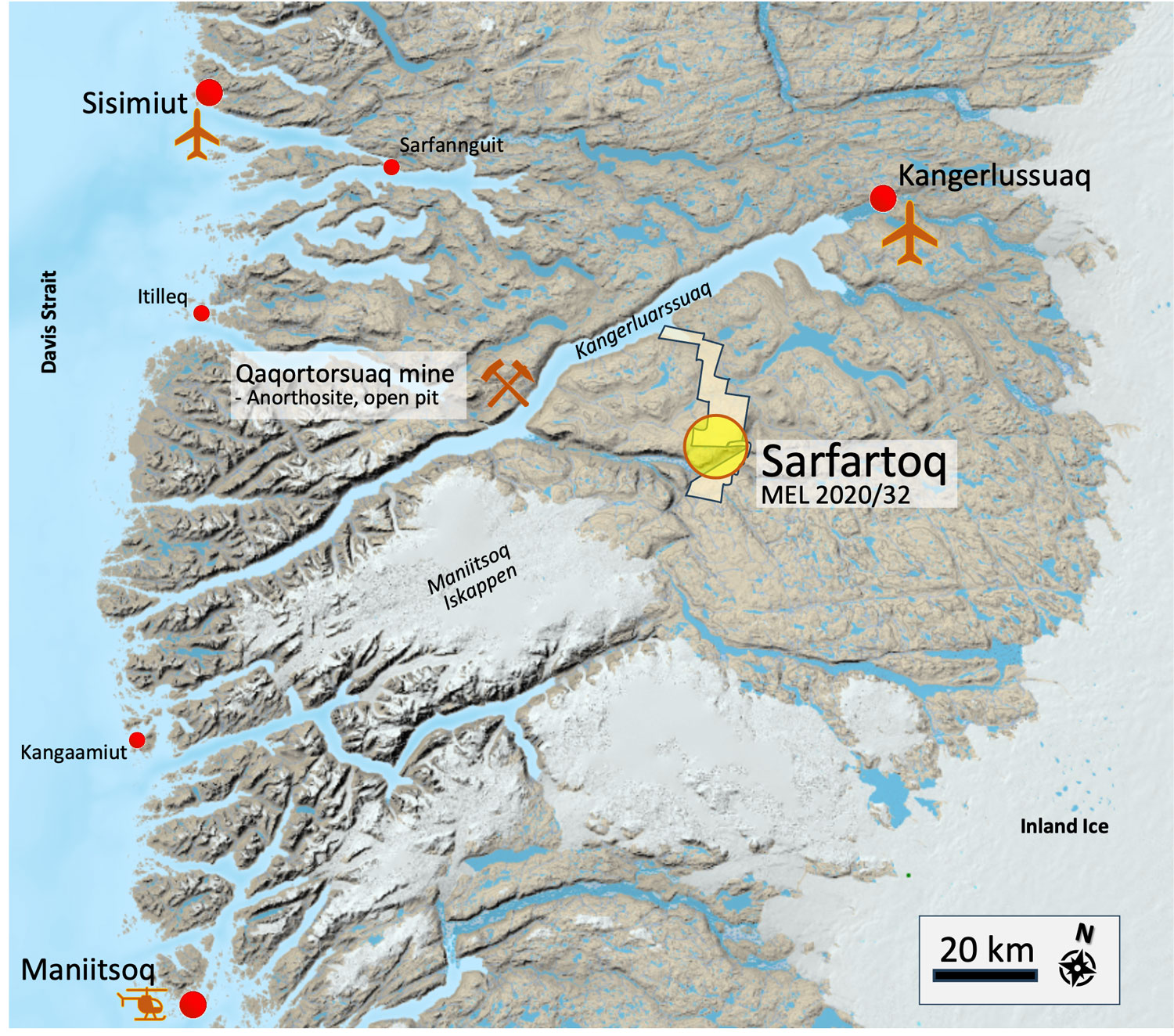
Western Greenland — near established infrastructure corridors

Airport Access
~60 km from Kangerlussuaq International Airport

Tidewater Access
~20 km from tidewater

Terrain
Accessible terrain compared to many Arctic projects

Power
Adjacent to areas with hydroelectric development potential

Geology & Mineralisation

Host Complex
Large Proterozoic carbonatite complex covering approximately 90 km²

Exploration Licence
MEL 2020-32 — 687 km² total, segmented into 40 sub-sites (ST1–ST40)

Primary Host Minerals
Bastnäsite, monazite, and pyrochlore-bearing zones
Key Commodities
Magnet REEs (Nd, Pr, Dy, Tb), plus La and Ce. Other resources in the licence area: Nb, Ta, P, and diamonds.
Why Carbonatites
Globally recognised as important hosts for REE deposits due to their favourable beneficiation characteristics

Priority Sub-Sites

MEL 2020-32 · 687 km² · 40 Sub-Sites (ST1–ST40)
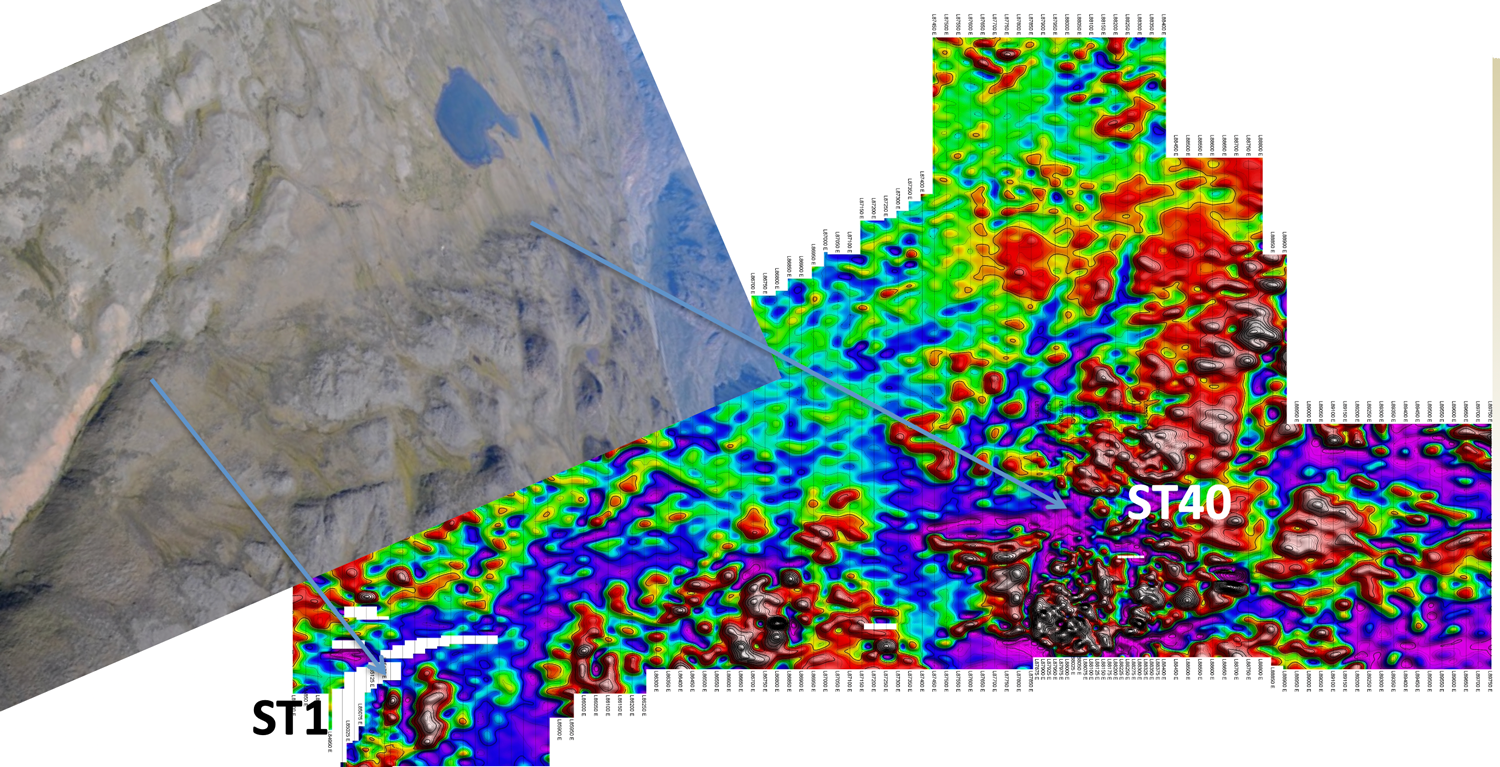
ST1

Shorter Path to PFS

  • Most advanced sub-site within the licence area
  • Legacy NI 43-101 PEA resource estimate: 5.9 Mt Indicated @ 1.8 wt% TREO
  • Drilling database: 161 holes / 35,843 m (incl. 94 core holes / 23,000+ m)
  • Metallurgical testing and environmental baseline work already undertaken
ST40

Higher NdPr Indications

  • Adjacent to ST1
  • Higher NdPr (magnet rare earth) indications
  • Drives the upside case for magnet-grade material
  • Priority follow-up target for definition drilling
38

Additional Sub-Sites

  • 38 further sub-sites across the 687 km² licence area
  • Multi-commodity exposure: REE, Nb, Ta, Sr, P, and diamonds
  • Long-dated exploration pipeline beyond ST1 / ST40
Geological Setting

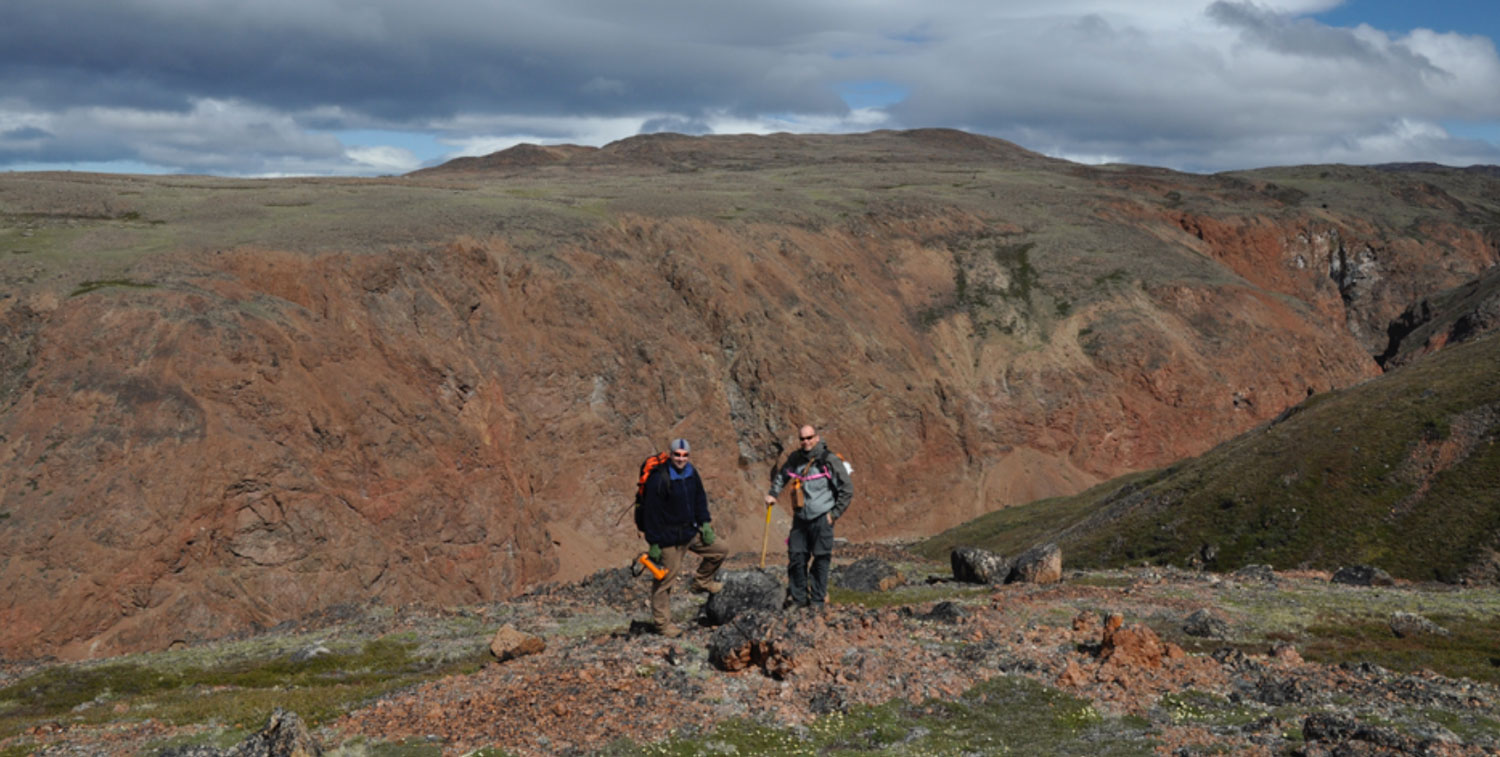
The Sarfartoq carbonatite complex is a Proterozoic alkaline intrusion covering approximately 90 km², emplaced into the North Atlantic Craton of western Greenland. Carbonatite complexes are globally recognised as important hosts for REE deposits due to their favourable beneficiation characteristics.

Reference: Secher, K., & Larsen, L. M. (1980). Geology and mineralogy of the Sarfartôq carbonatite complex, southern West Greenland. Lithos, 13(2), 199–212.
Strategic Position

The licence sits within 60 km of an international airport, within 20 km of tidewater, on accessible terrain, and adjacent to hydroelectric development potential — a combination of infrastructure advantages rarely available to greenfield REE projects in the Arctic.

REE Potential & ST1 Resource

Why Sarfartoq — The Magnet REE Advantage

NdPr Distribution
Strong NdPr distribution — historically reported at approximately 25% of TREO, with the Nd+Pr ratio of TREO ranging 25%–40% across the deposit. The ST1 Zone contains over 27M kg Nd₂O₃ and 8M kg Pr₆O₁₁ which are key components in permanent magnets.
Low uranium content
Less than 10 ppm, well below thresshold for exploitation
Strategic Relevance
Direct exposure to magnet manufacturing — Nd, Pr, Dy and Tb are essential inputs for NdFeB permanent magnets used in EVs, wind turbines, and high-efficiency electric motors
Resource Longevity
Potential for a long-life resource base across the 90 km² carbonatite complex

ST1 Zone — Legacy NI 43-101 PEA Resource Estimate

Category

Indicated

Inferred

Tonnes (Mt)

5.9

2.5

TREO (wt%)

1.8%

1.6 %

NdPr Ratio of TREO

25% – 40%

1 %

Indicated
Inferred

NOTES

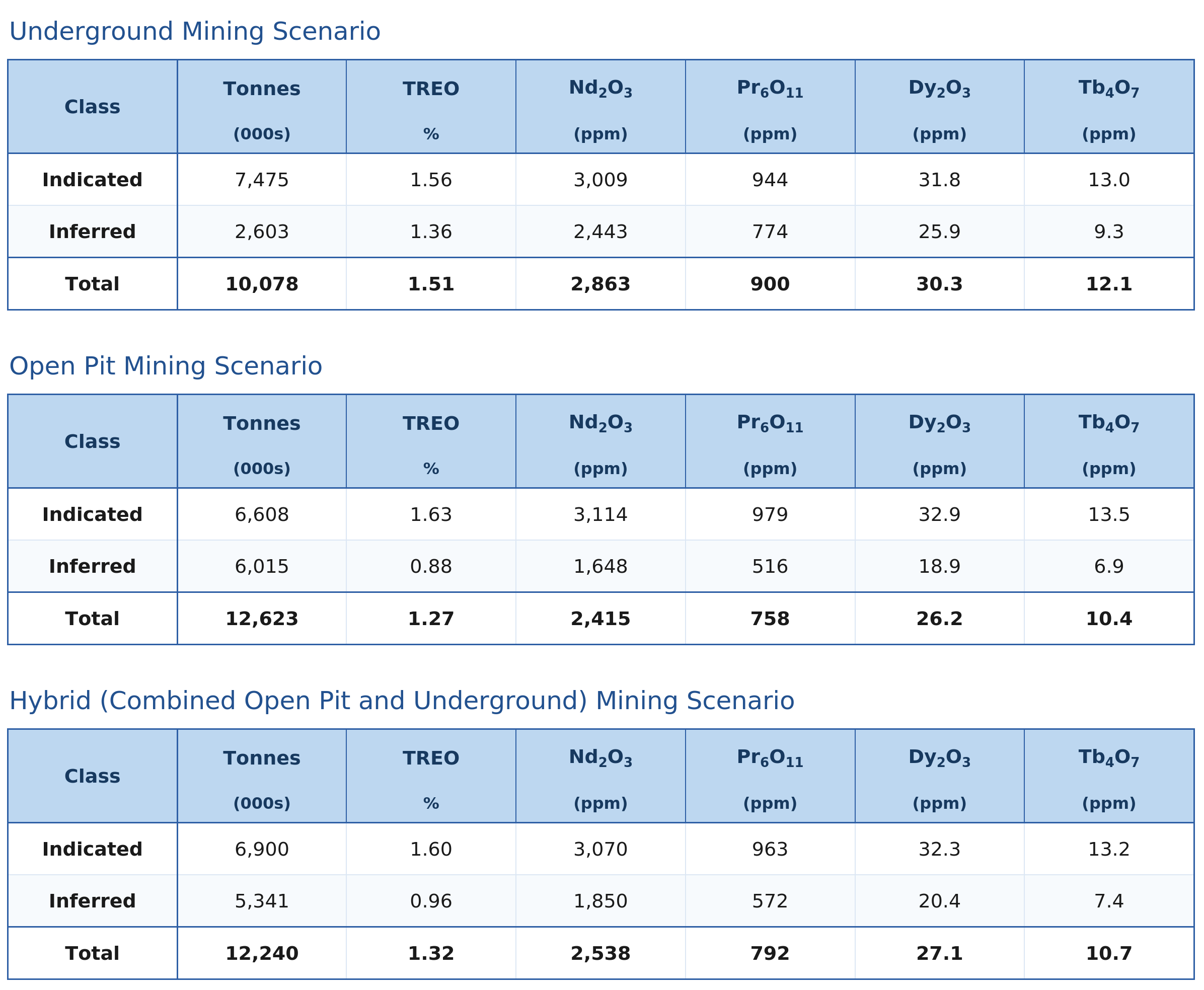
Historical Mineral Resource for the ST1 Zone based on a 2012 NI 43-101 compliant, PEA-stage resource estimate. Resource estimates are reported at variable cut-off grades assuming an underground mining scenario. The base-case estimate (shown in bold) applies a 1.0 wt.% TREO cut-off grade considered appropriate for comparable deposits. Source: Hudson Resources Inc., 2012.

Exploration & Development Status

01

Drilling Database

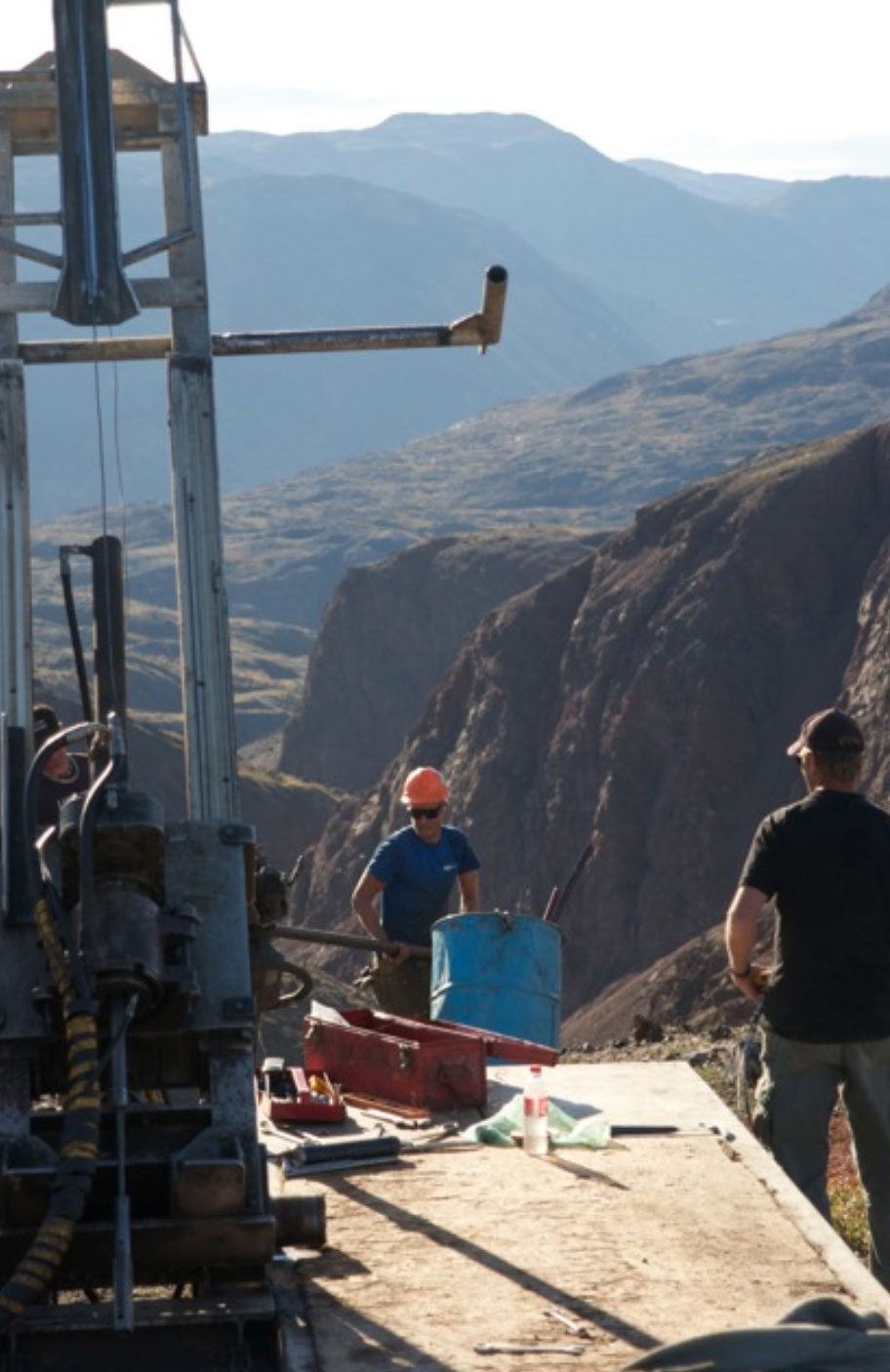
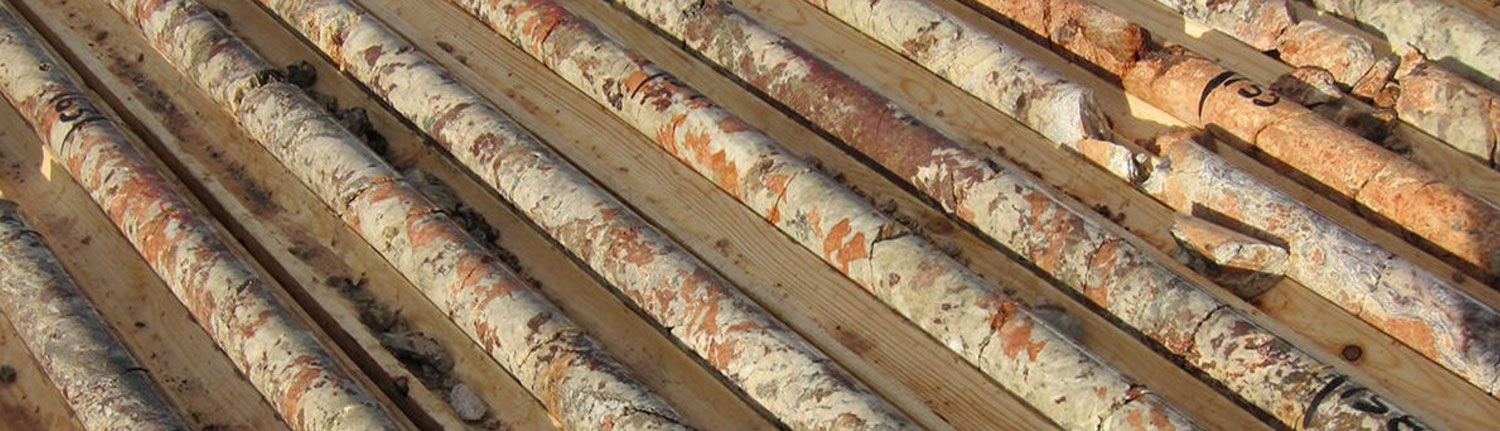
161 holes totalling 35,843 metres — including 94 core holes of more than 23,000 metres — are included in the ST1 resource estimation.

02

Resource Estimate

ST1 carries a legacy NI 43-101 compliant PEA resource estimate of 5.9 Mt Indicated at 1.8 wt% TREO, alongside an additional 2.5 Mt Inferred resource averaging 1.6 wt% TREO at a 1% cut-off grade (Hudson Resources, 2012). Nd+Pr represents 25% to 40% of total rare earth oxides.

03

Metallurgy

Metallurgical testing has been undertaken. The processing of monazite and bastnäsite is well and broadly understood — materially de-risking the flowsheet.

04

Environment

Preliminary environmental baseline studies have been completed, providing a foundation for permitting workstreams.

05

ST40 & Sub-Site Pipeline

Beyond ST1, the licence holds 39 additional sub-sites — most notably ST40, adjacent to ST1, with higher NdPr indications and a deep exploration pipeline across 687 km².

Reference: Secher, K., & Larsen, L. M. (1980). Geology and mineralogy of the Sarfartôq carbonatite complex, southern West Greenland. Lithos, 13(2), 199–212.